


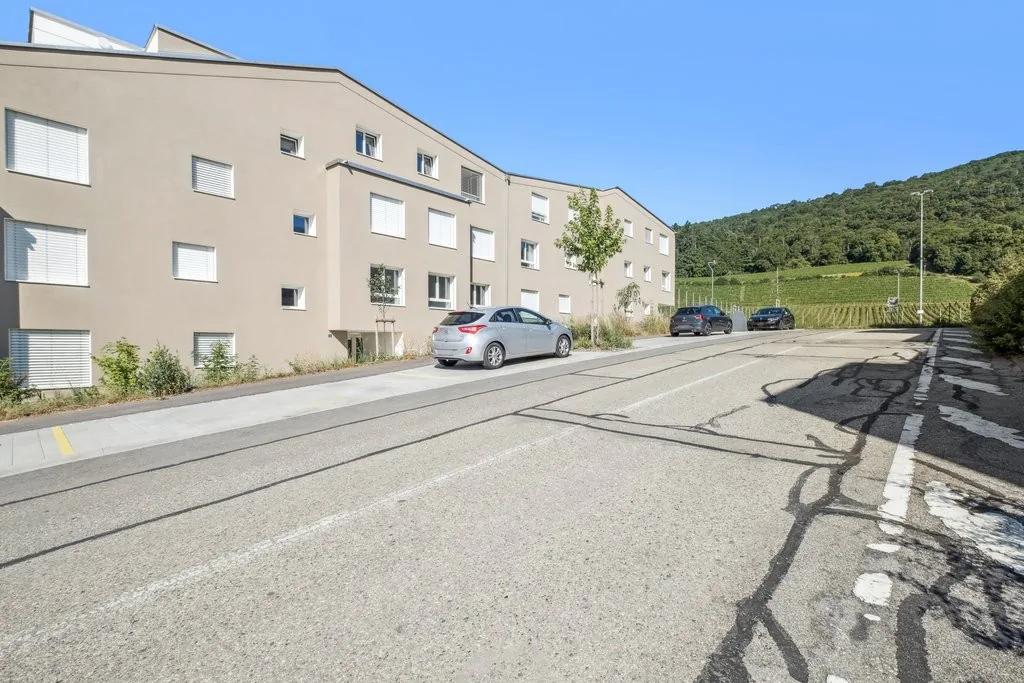
Apartments for rent in Cressier NE

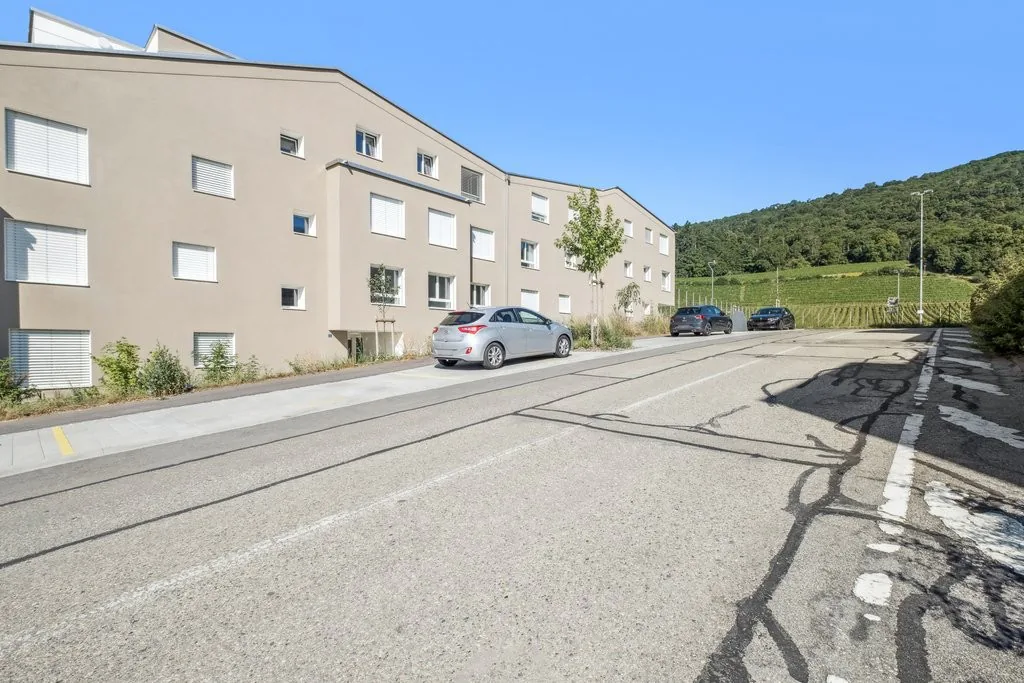
More listings in the Cressier NE area
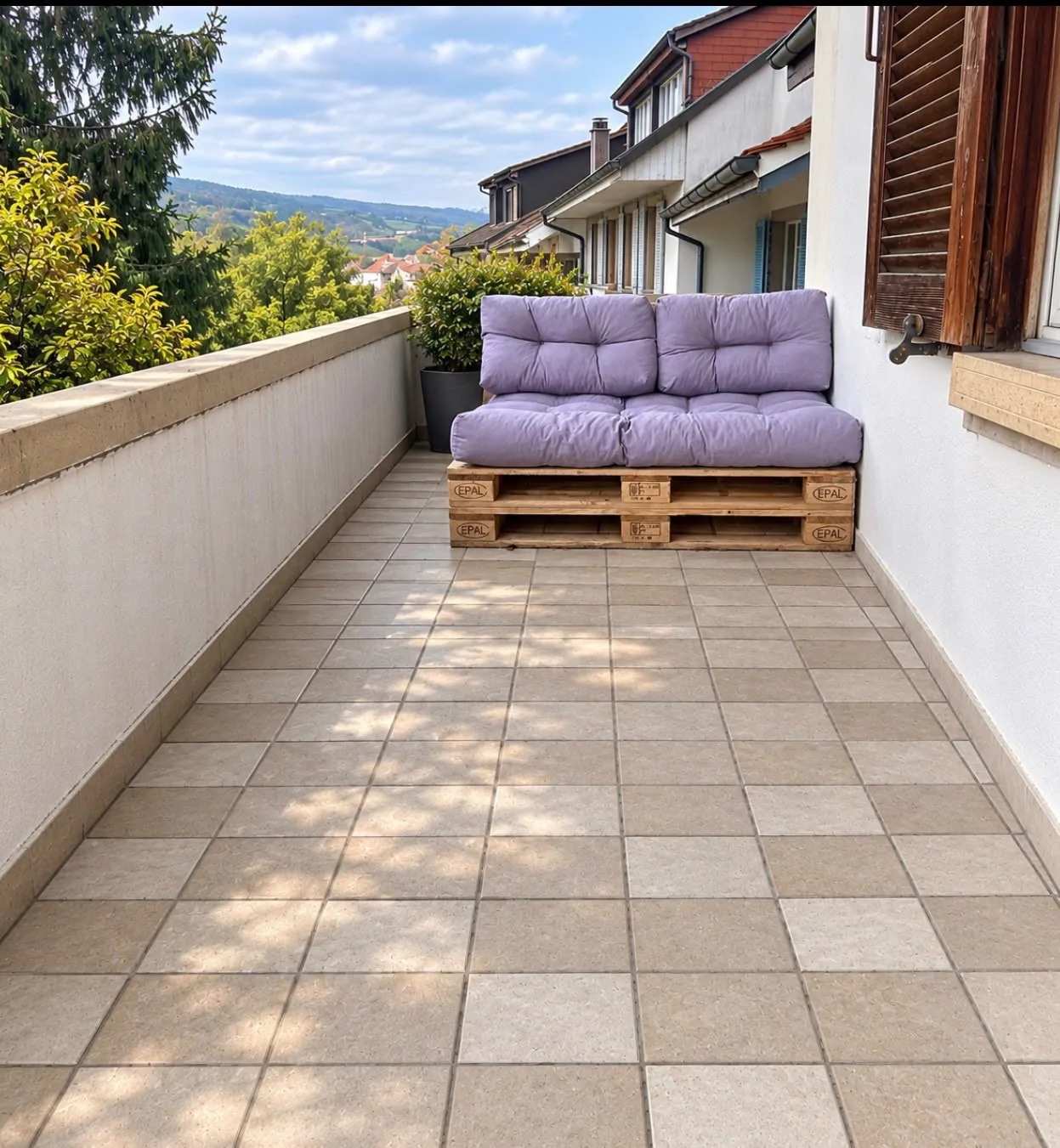
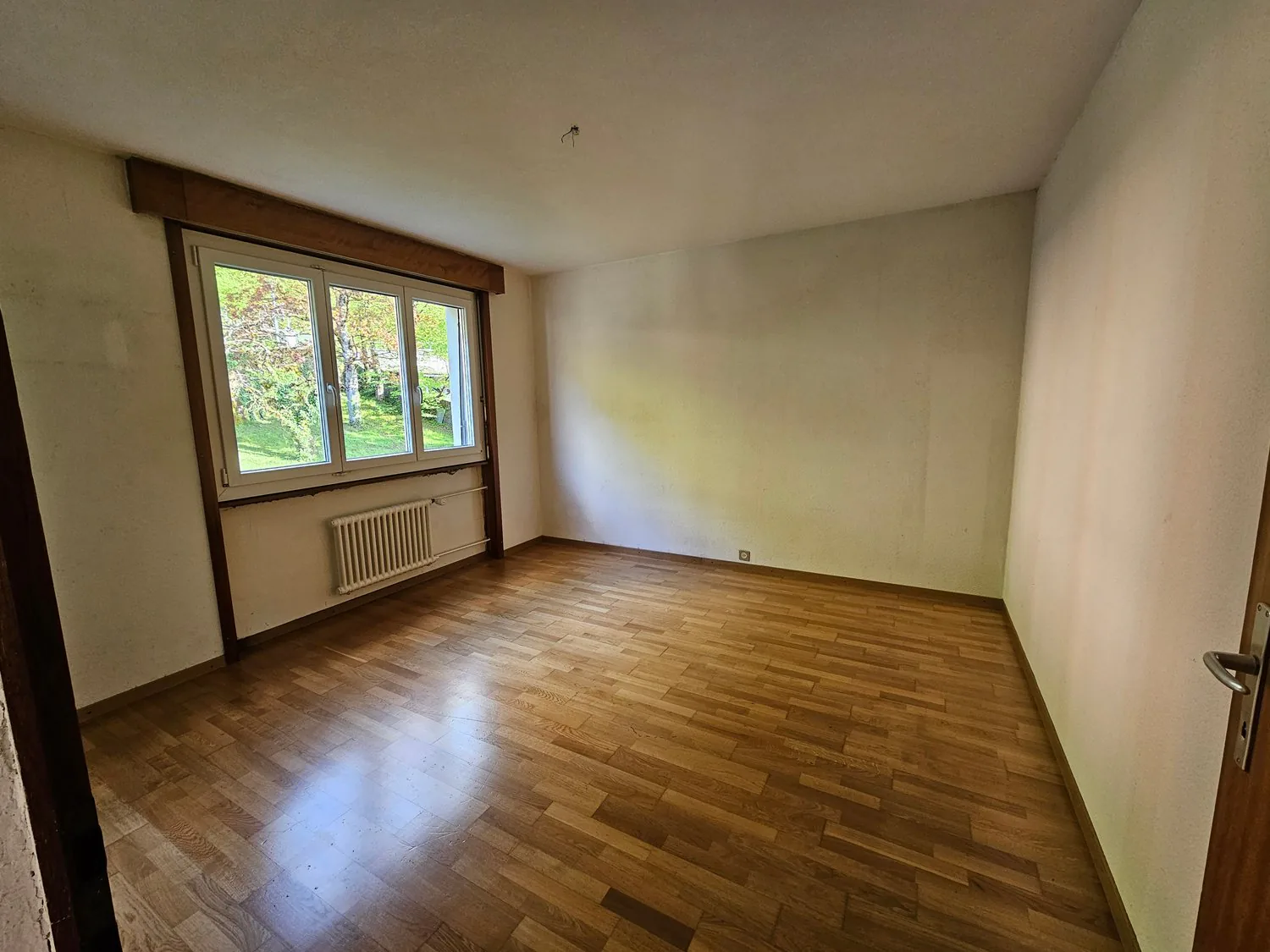
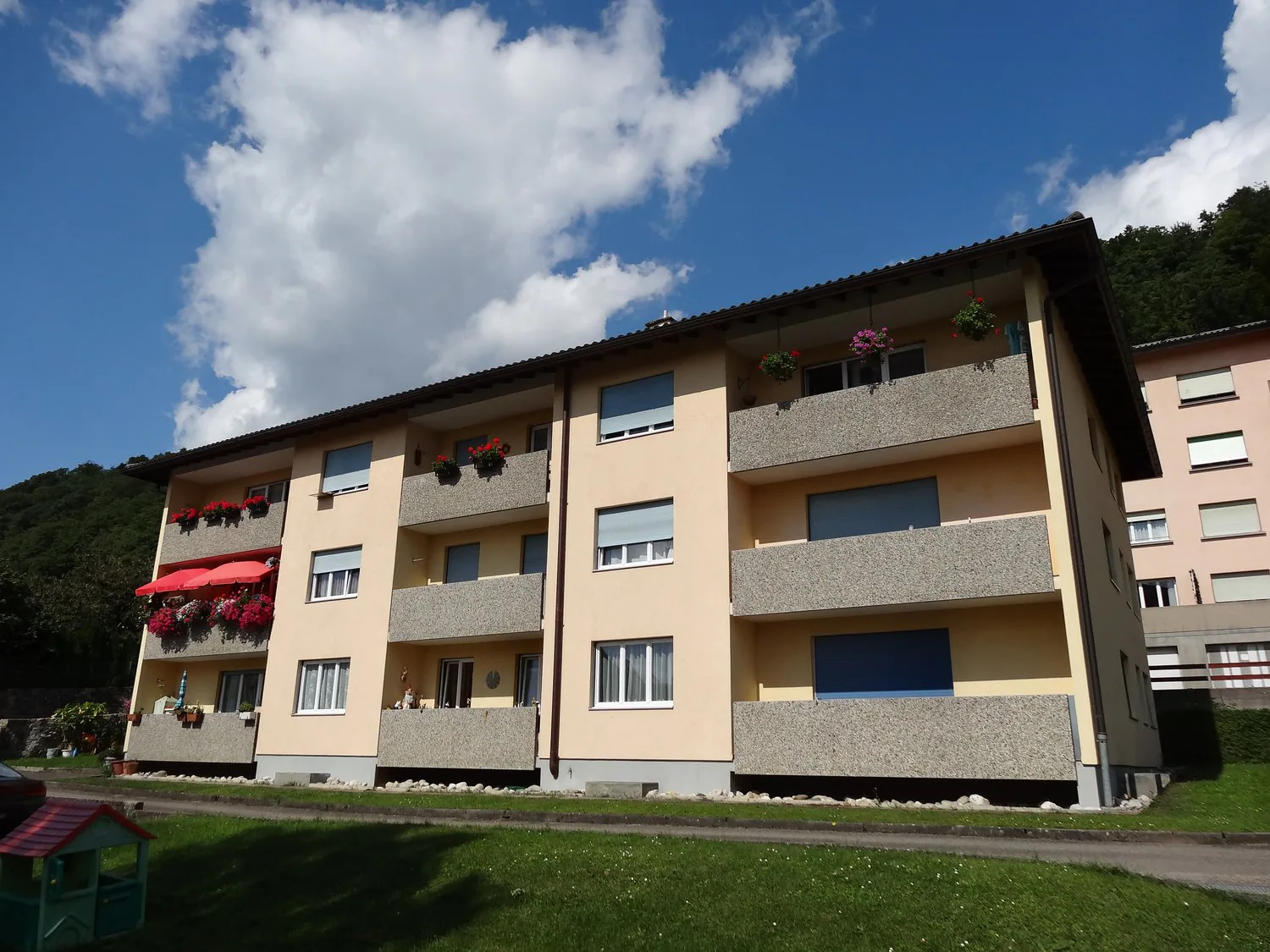
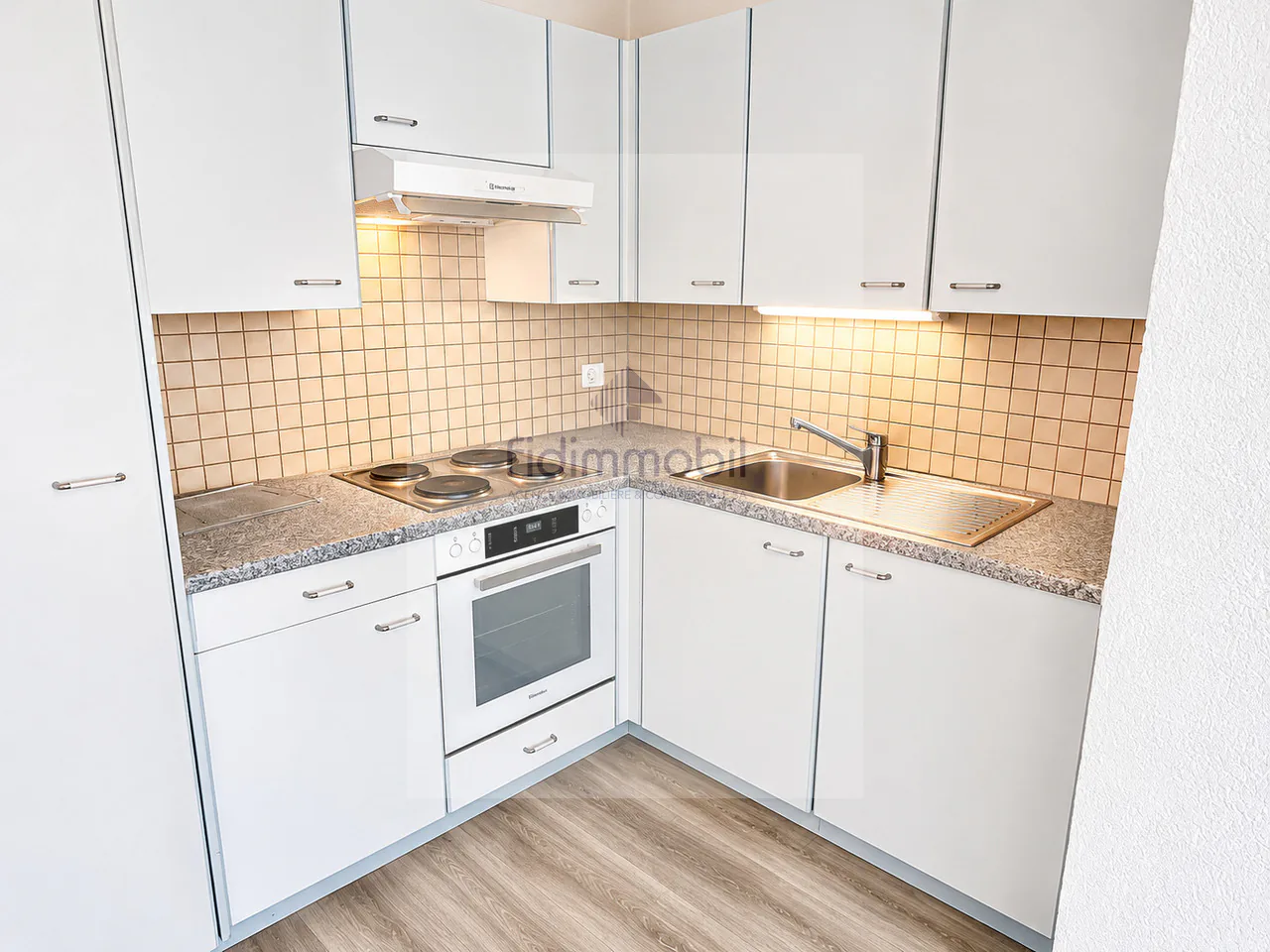
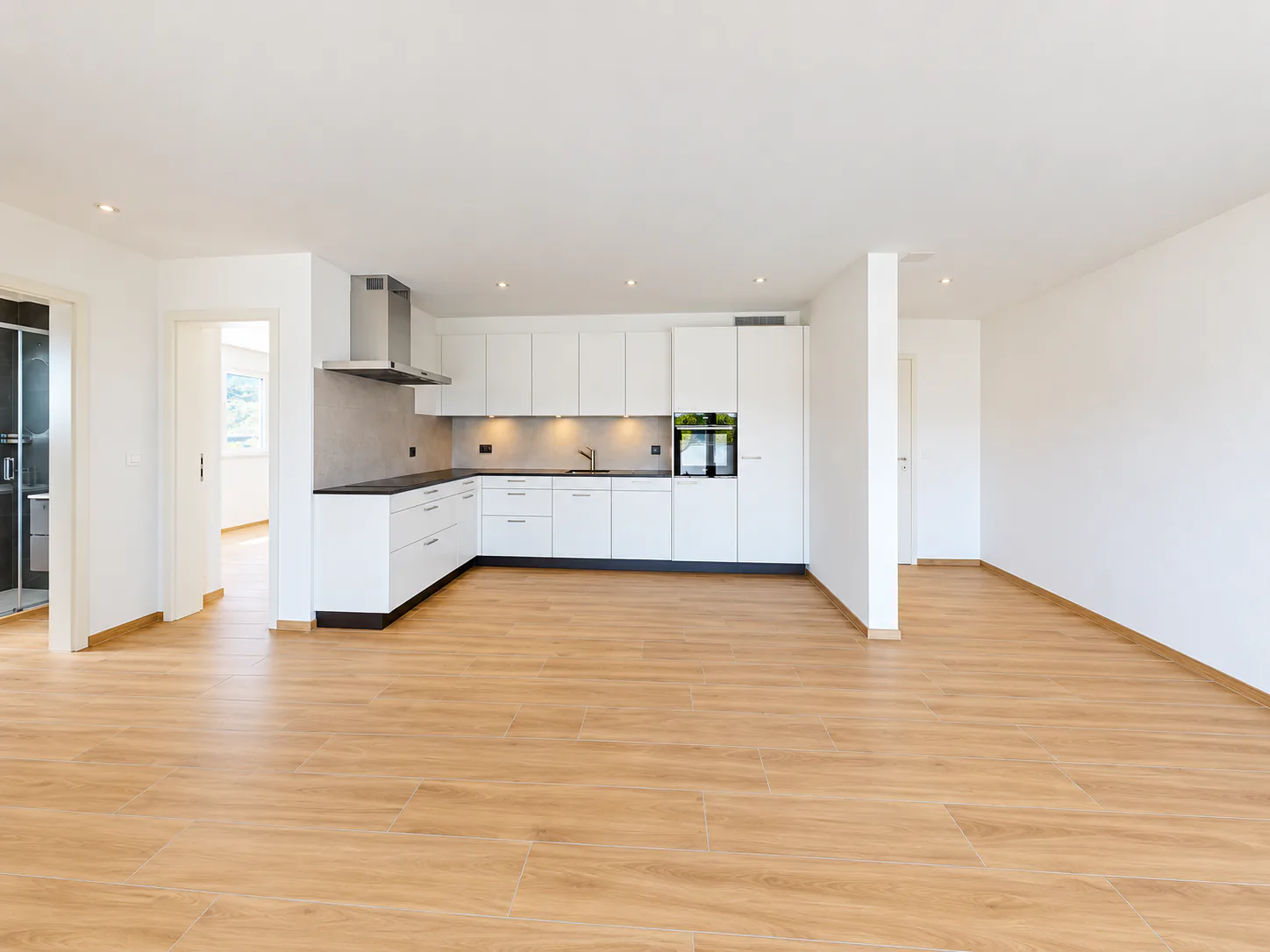


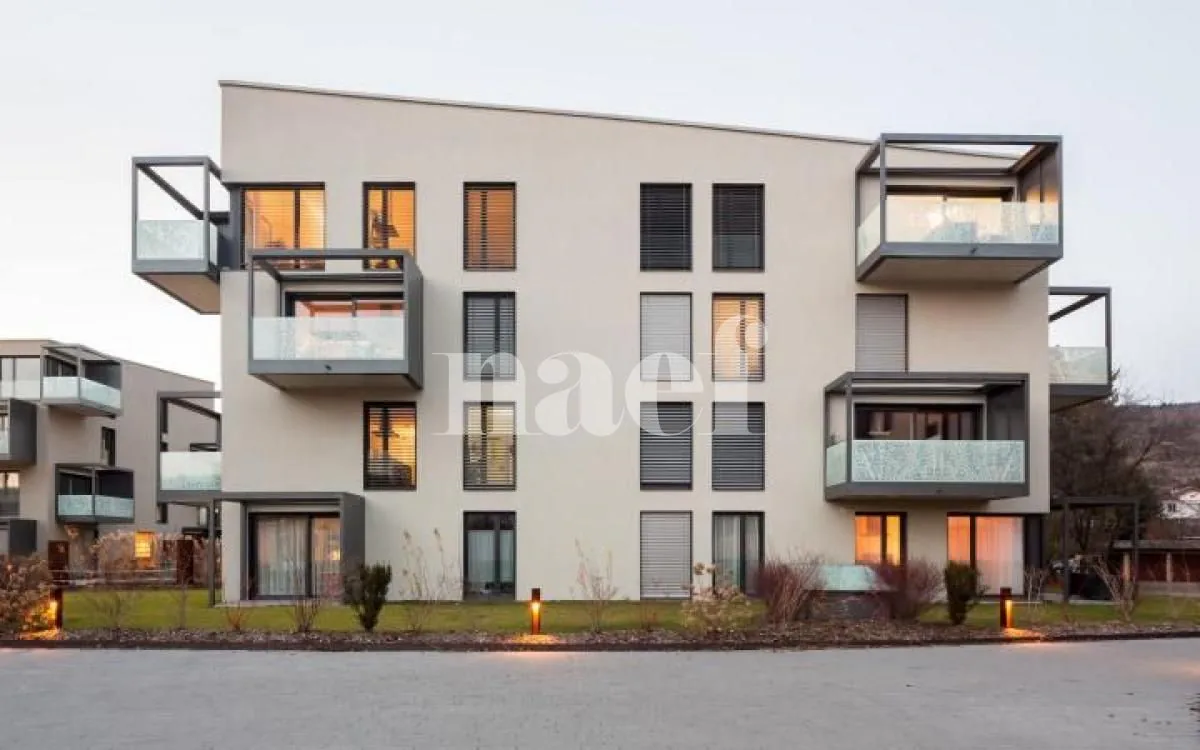
Housing market in Cressier NE
The following figures are for the whole municipality Cressier NE belongs to. The vacancy rate is 0.30%, 82% below the cantonal average (1.64 %) — a tight rental market. The municipal tax multiplier (Steuerfuss) is 77% (2026), 12% above the average of the canton's municipalities (68.8 %). A single person without children on a gross wage of CHF 100'000 pays CHF 17'409 a year in canton, municipality and personal tax in the municipality of Cressier (NE) (tax year 2026, without church, federal and wealth tax). On the mean of the municipalities weighted by residents it is CHF 16'699 in the canton and CHF 12'251 in Switzerland. Median taxable income of all taxpayers is CHF 46'800 (tax period 2022). The municipality has 2'072 residents (2025).
Sources: Swiss Federal Statistical Office (FSO), Swiss Federal Tax Administration (FTA).
Frequently asked questions
How many apartments are available to rent in Cressier NE?
2 apartments are currently listed to rent in Cressier NE on Homematch. The selection updates throughout the day as agencies publish new listings.
Which canton is Cressier NE in?
Cressier NE is located in the canton of Neuchâtel.
What is the municipal tax multiplier (Steuerfuss) in Cressier NE?
The municipal tax multiplier (Steuerfuss) in Cressier NE is 77% of the cantonal base tax (tax year 2026). Note: this is a multiplier of the cantonal income tax, not an effective tax rate, and it can only be compared within the same canton.
How much income tax is paid in Cressier NE?
A single person without children on a gross wage of CHF 100'000 pays CHF 17'409 a year in canton, municipality and personal tax in the municipality of Cressier (NE) (tax year 2026, without church, federal and wealth tax). The amount holds for exactly this household and income and, unlike the tax multiplier, compares across cantons.
Guides
Good to know when renting
- Service chargesWhat tenants pay on top of the rent.
- The SteuerfussWhy the lowest number can mean the highest tax.
- Comparing municipalitiesTaxes, purchasing power and housing costs side by side.
- Ending your leaseNotice periods, dates and the replacement tenant.
- Checking your service-charge statementWhich items you owe – and which you don’t.