Apartments & Houses for rent in Gsteig b. Gstaad
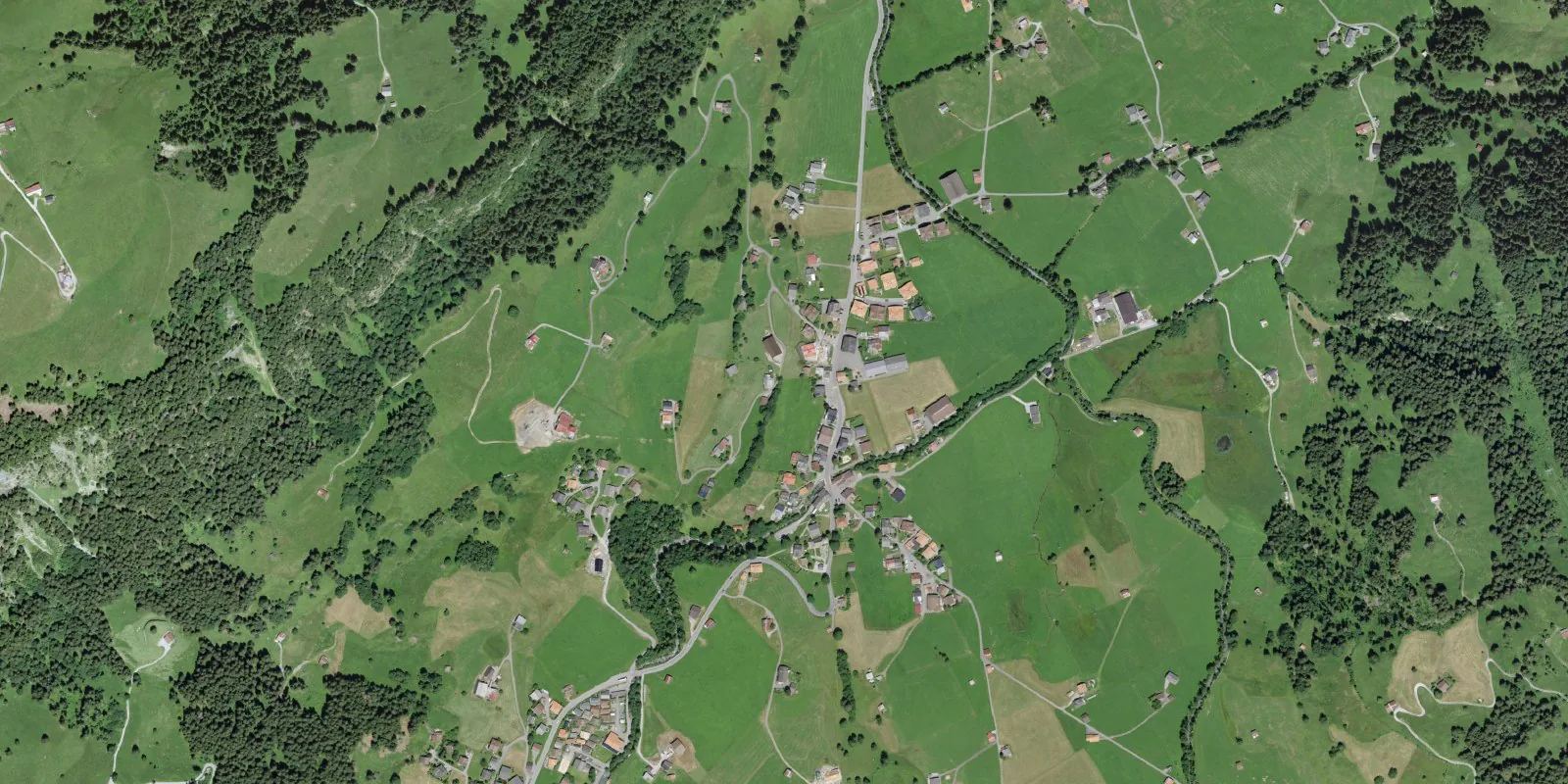
No homes in Gsteig b. Gstaad
More listings in the Gsteig b. Gstaad area
 17 km
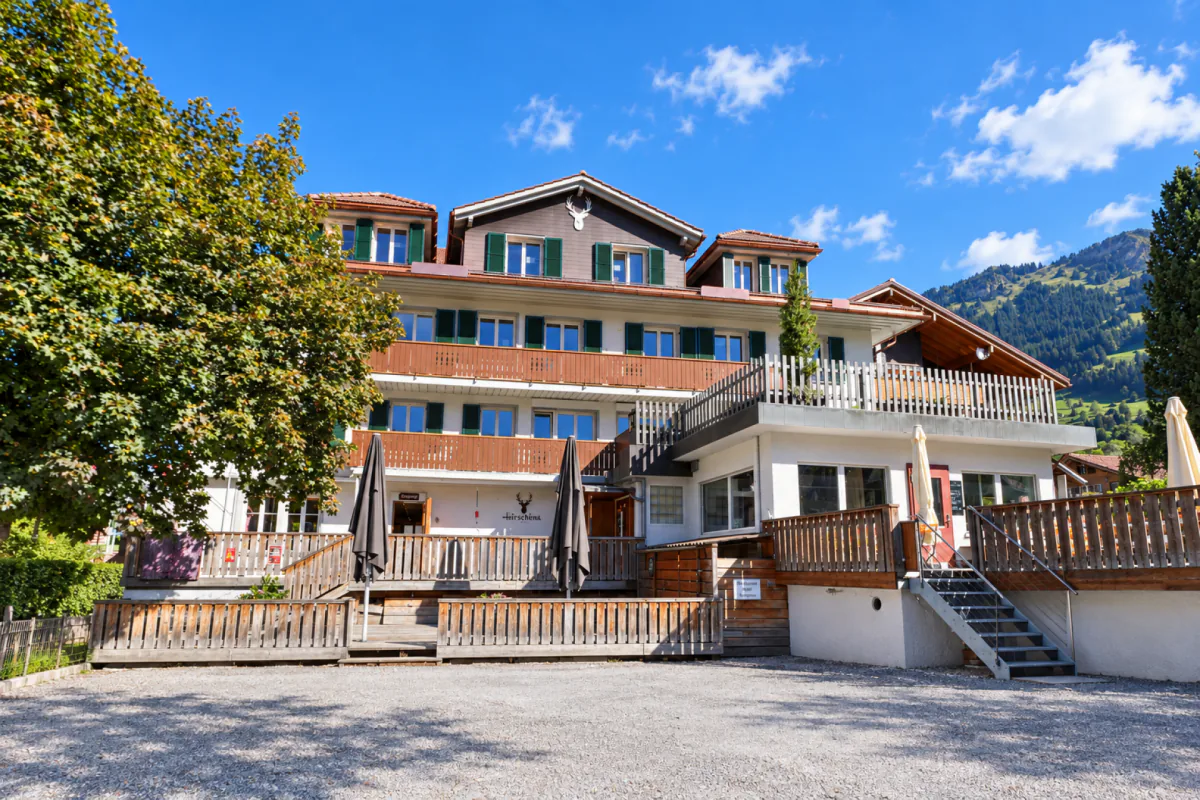
Apartment
Oberriedstrasse 1, 3775 Lenk im Simmental
Price on request
 27 km
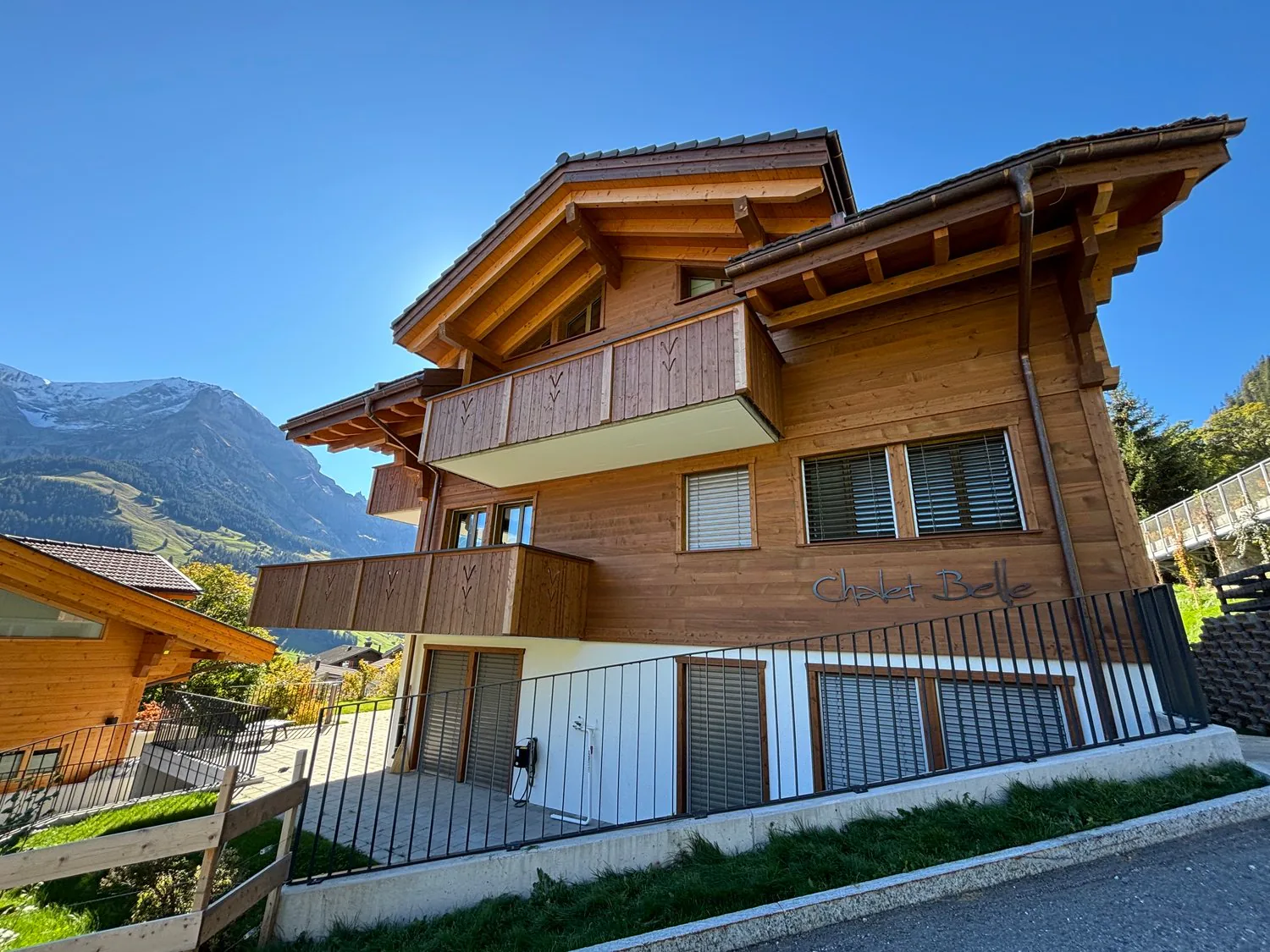
3.5 room Apartment
Bellevuegässli 5, 3715 Adelboden
CHF 1'950.–/month70 m²
 27 km
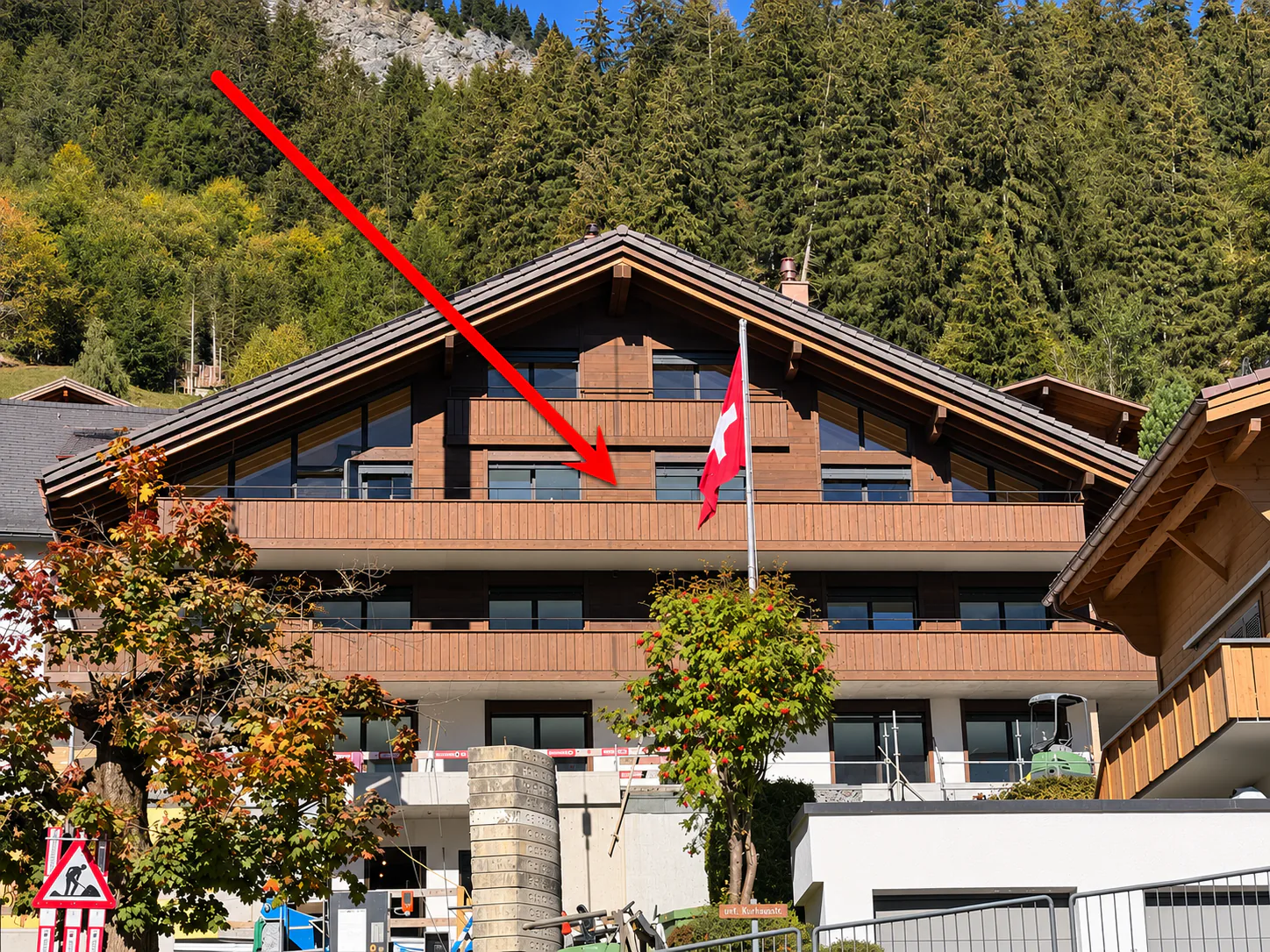
2.5 room Penthouse
Obere Kurhausstrasse 3, 3715 Adelboden
CHF 1'390.–/month51 m²
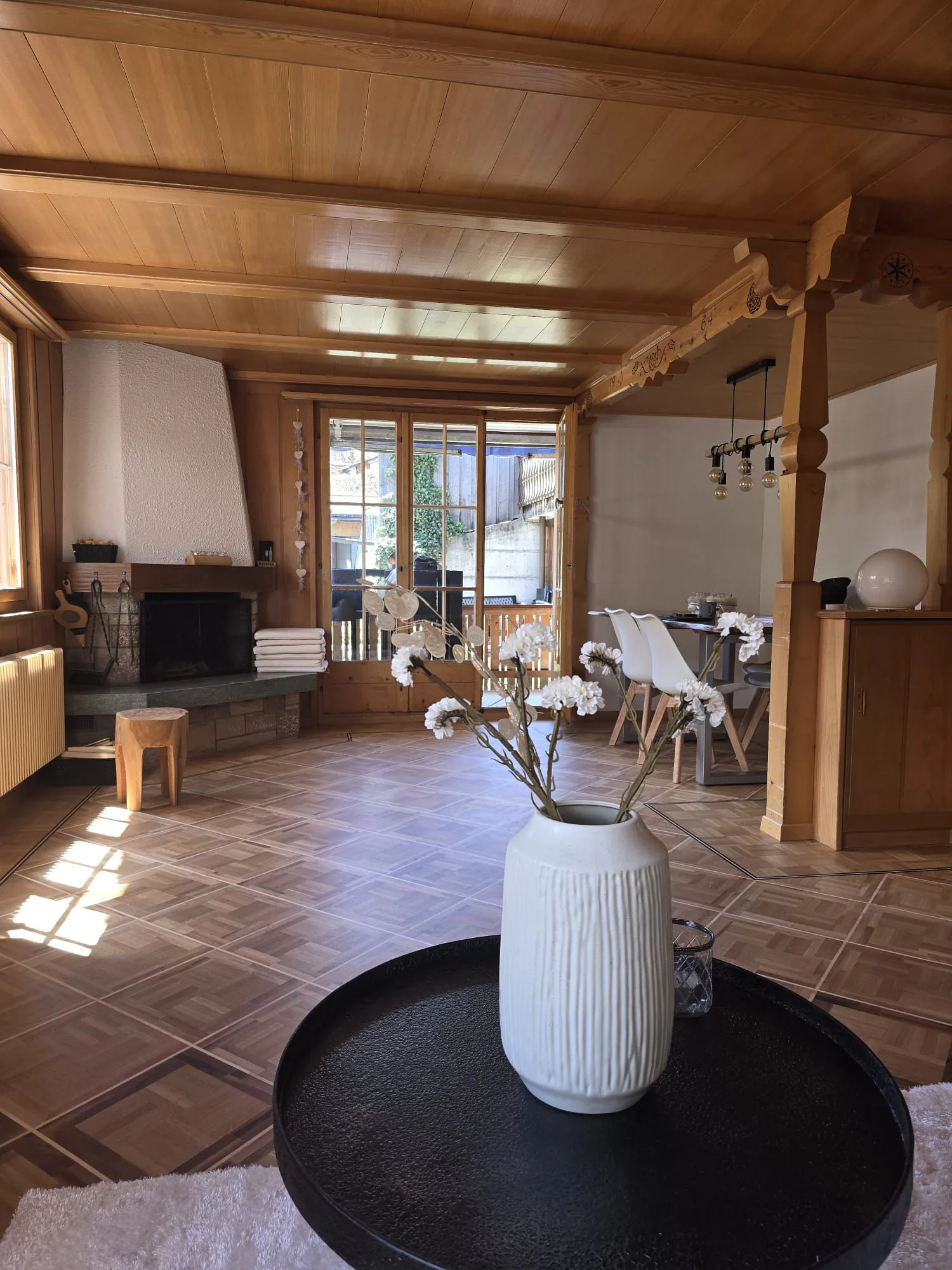 27 km
5.5 room Apartment
Erlenweg 4, 3715 Adelboden
CHF 2'150.–/month120 m²
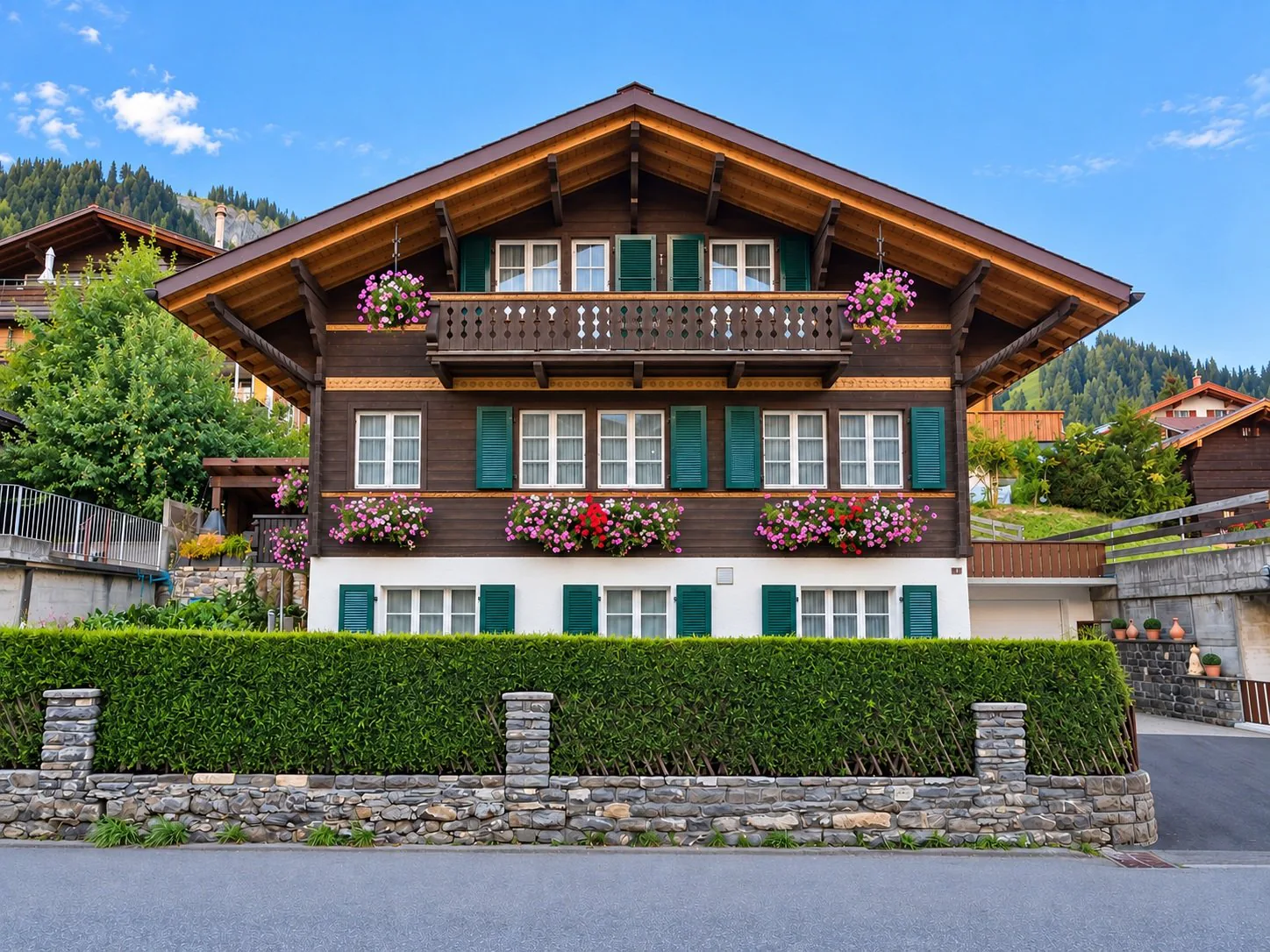 27 km
2 room Apartment
Schlegelistrasse 7, 3715 Adelboden
CHF 1'150.–/month
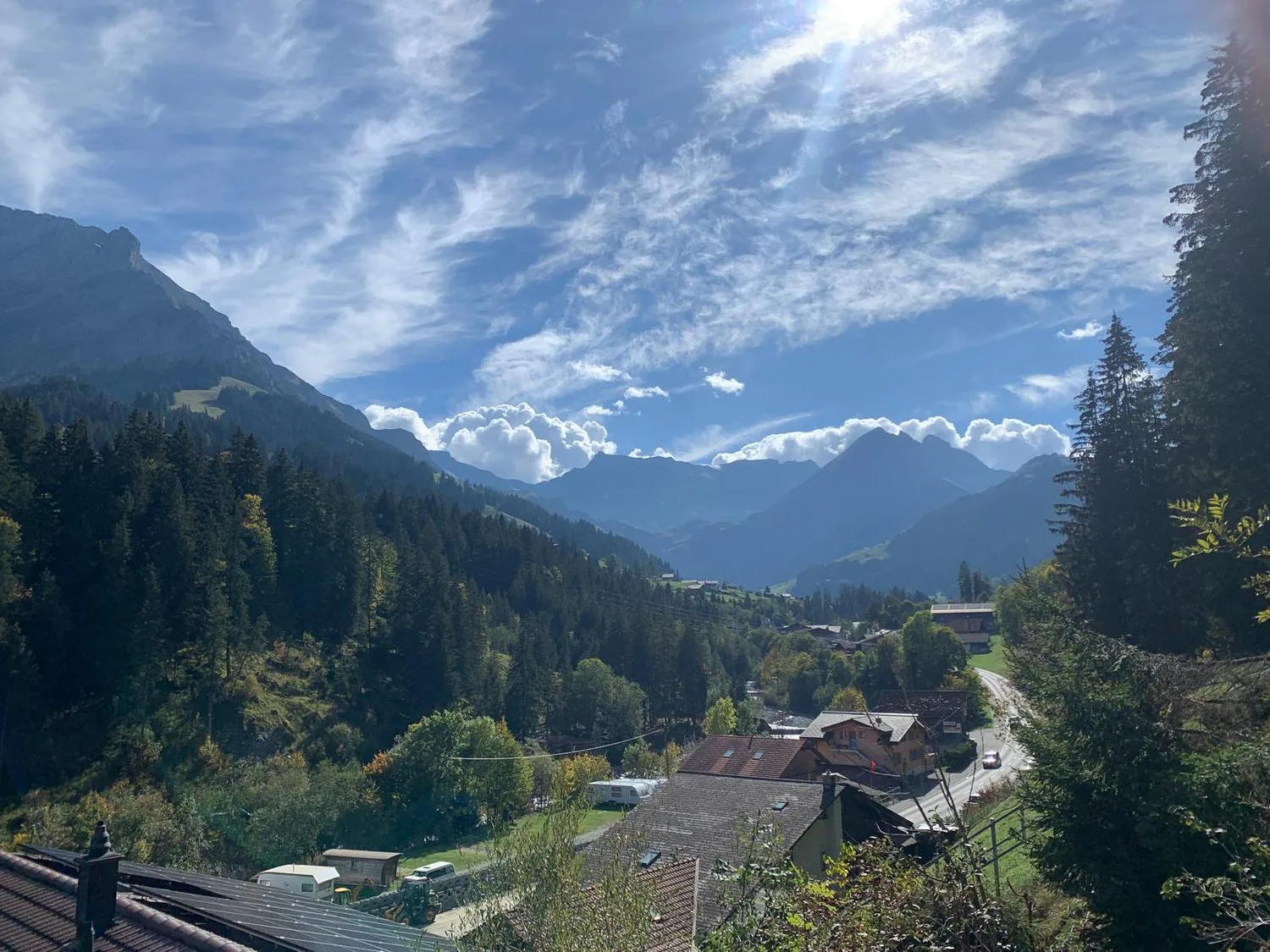 28 km
2 room Apartment
Landstrasse 99, 3715 Adelboden
CHF 1'250.–/month
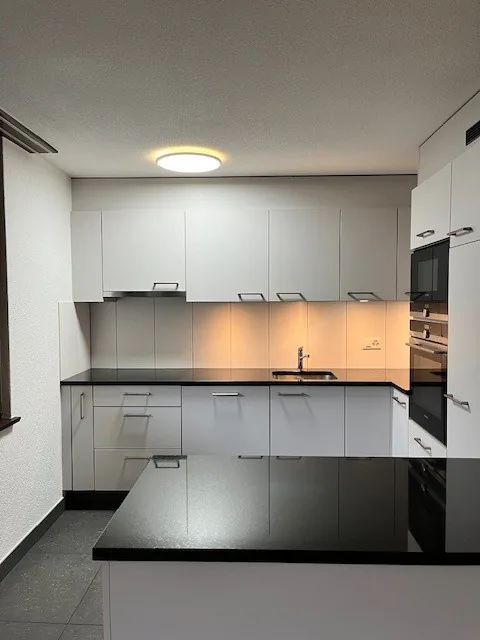 38 km
4 room Apartment
Künzistegstrasse 8, 3714 Frutigen
CHF 1'765.–/month96 m²
 38 km
4 room Apartment
Künzistegstrasse 8, 3714 Frutigen
CHF 1'745.–/month92 m²
Housing market in Gsteig b. Gstaad
The following figures are for the whole municipality Gsteig b. Gstaad belongs to. The vacancy rate is 0.72%, 30% below the cantonal average (1.03 %) — a tight rental market. The municipal tax multiplier (Steuerfuss) is 130% (2026), 21% below the average of the canton's municipalities (164.2 %) — low for the canton. A single person without children on a gross wage of CHF 100'000 pays CHF 13'885 a year in canton, municipality and personal tax in the municipality of Gsteig (tax year 2026, without church, federal and wealth tax). On the mean of the municipalities weighted by residents it is CHF 14'998 in the canton and CHF 12'251 in Switzerland. Median taxable income of all taxpayers is CHF 43'800 (tax period 2022). The municipality has 1'036 residents (2025).
Sources: Swiss Federal Statistical Office (FSO), Swiss Federal Tax Administration (FTA).
Frequently asked questions
Which canton is Gsteig b. Gstaad in?
Gsteig b. Gstaad is located in the canton of Bern.
What is the municipal tax multiplier (Steuerfuss) in Gsteig b. Gstaad?
The municipal tax multiplier (Steuerfuss) in Gsteig b. Gstaad is 130% of the cantonal base tax (tax year 2026). Note: this is a multiplier of the cantonal income tax, not an effective tax rate, and it can only be compared within the same canton.
How much income tax is paid in Gsteig b. Gstaad?
A single person without children on a gross wage of CHF 100'000 pays CHF 13'885 a year in canton, municipality and personal tax in the municipality of Gsteig (tax year 2026, without church, federal and wealth tax). The amount holds for exactly this household and income and, unlike the tax multiplier, compares across cantons.
Guides
Good to know when renting
- Service chargesWhat tenants pay on top of the rent.
- The SteuerfussWhy the lowest number can mean the highest tax.
- Climate and sunshineHow the weather shapes what a place is like to live in.
- Rent increasesWhen one is valid and how to challenge it.
- Comparing municipalitiesTaxes, purchasing power and housing costs side by side.