The vacancy rate is 1.38%, 10% above the cantonal average (1.26 %) — a comparatively relaxed market. The municipal tax multiplier (Steuerfuss) is 97% (2026), 22% above the average of the canton's municipalities (79.3 %). A single person without children on a gross wage of CHF 100'000 pays CHF 16'154 a year in canton, municipality and personal tax (tax year 2026, without church, federal and wealth tax). On the mean of the municipalities weighted by residents it is CHF 14'670 in the canton and CHF 12'251 in Switzerland. Median taxable income of all taxpayers is CHF 43'611 (tax period 2022). Haut-Intyamon has 1'772 residents (2025).
Sources: Swiss Federal Statistical Office (FSO), Swiss Federal Tax Administration (FTA).
1 apartment or house is currently listed to rent in Haut-Intyamon on Homematch. The selection updates throughout the day as agencies publish new listings.
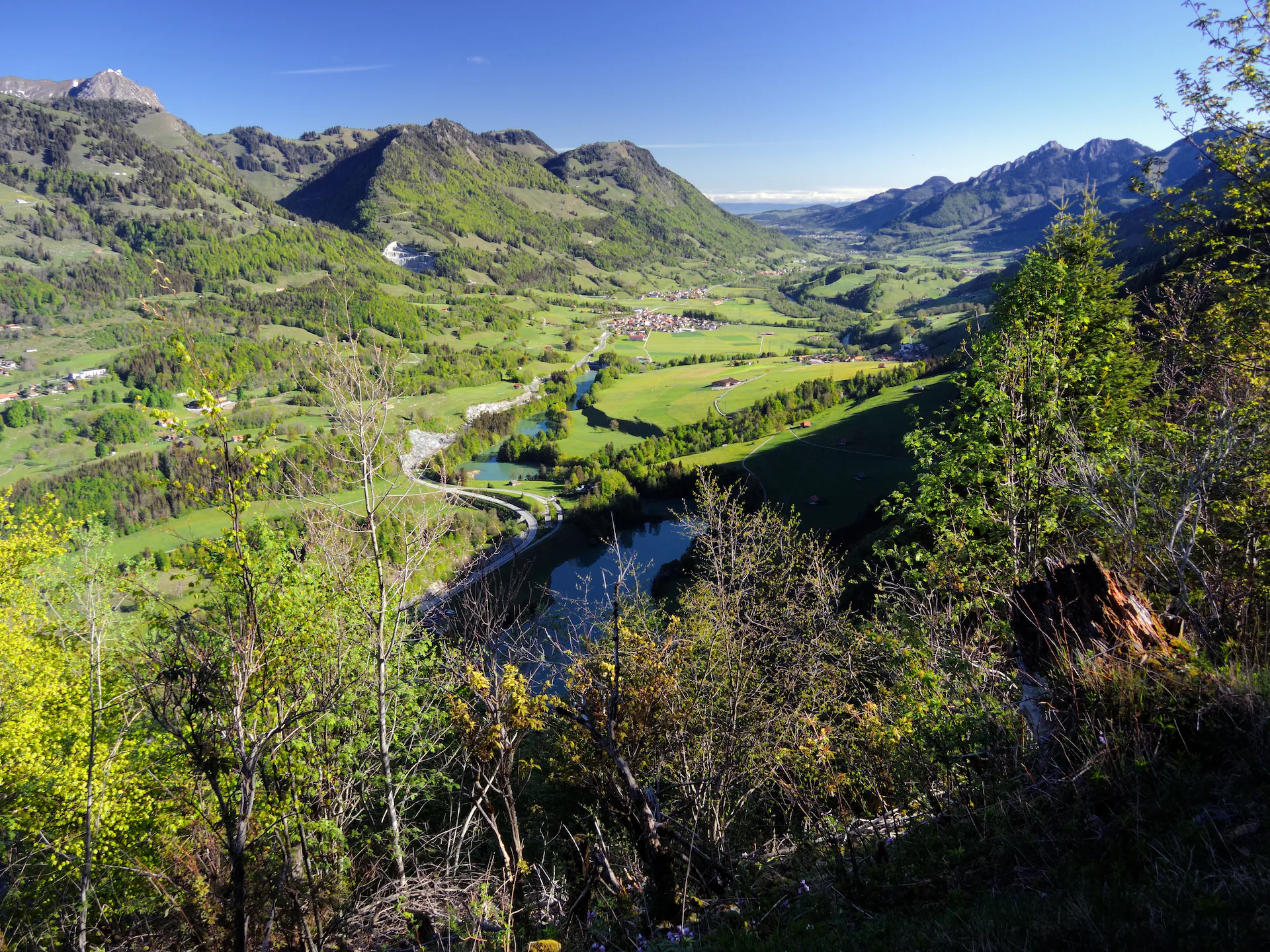
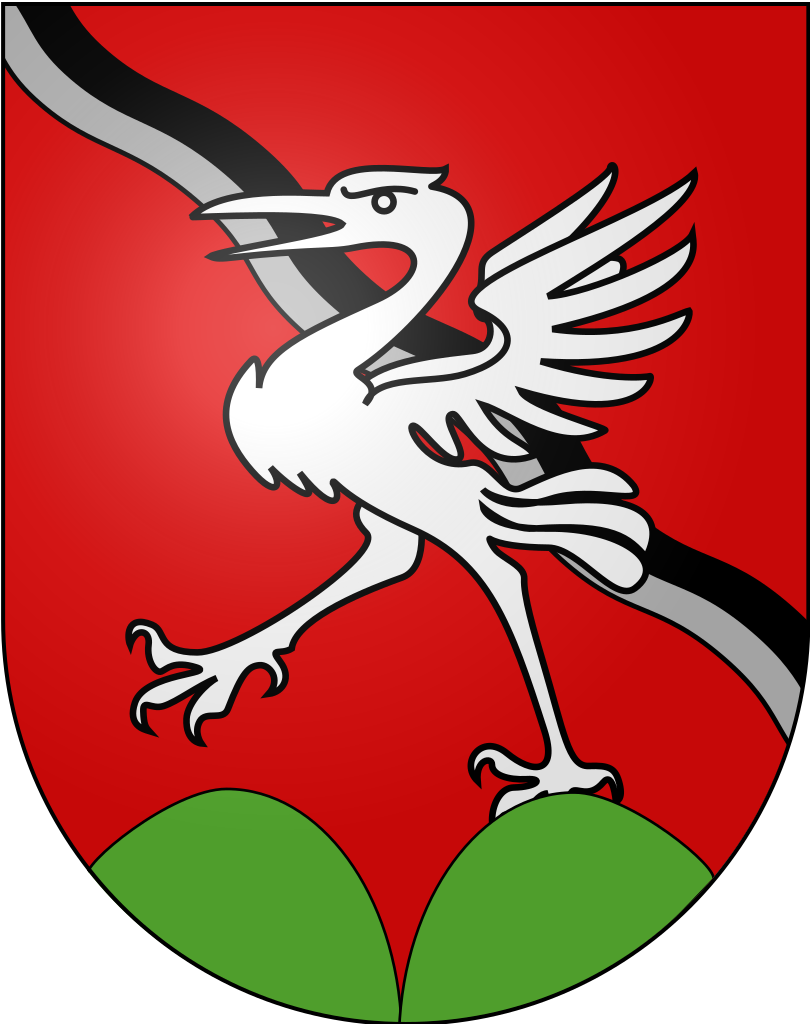
Haut-Intyamon is located in the canton of Fribourg.
Haut-Intyamon has approximately 1'772 residents.
The municipal tax multiplier (Steuerfuss) in Haut-Intyamon is 97% of the cantonal base tax (tax year 2026). Note: this is a multiplier of the cantonal income tax, not an effective tax rate, and it can only be compared within the same canton.
A single person without children on a gross wage of CHF 100'000 pays CHF 16'154 a year in canton, municipality and personal tax in Haut-Intyamon (tax year 2026, without church, federal and wealth tax). The amount holds for exactly this household and income and, unlike the tax multiplier, compares across cantons.
Guides