Apartments & Houses for sale in Bogno
No homes in Bogno
More listings in the Bogno area
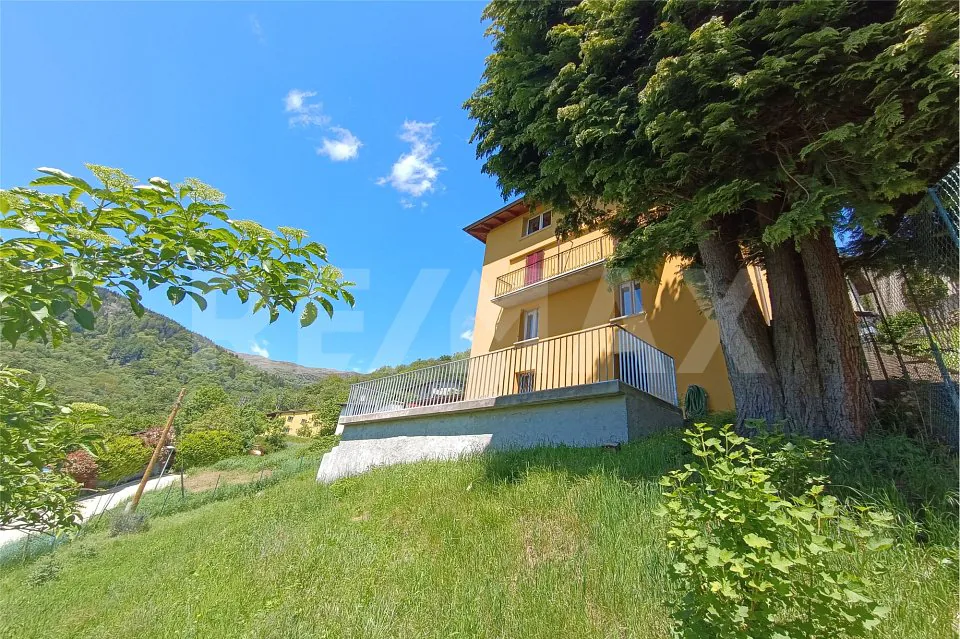
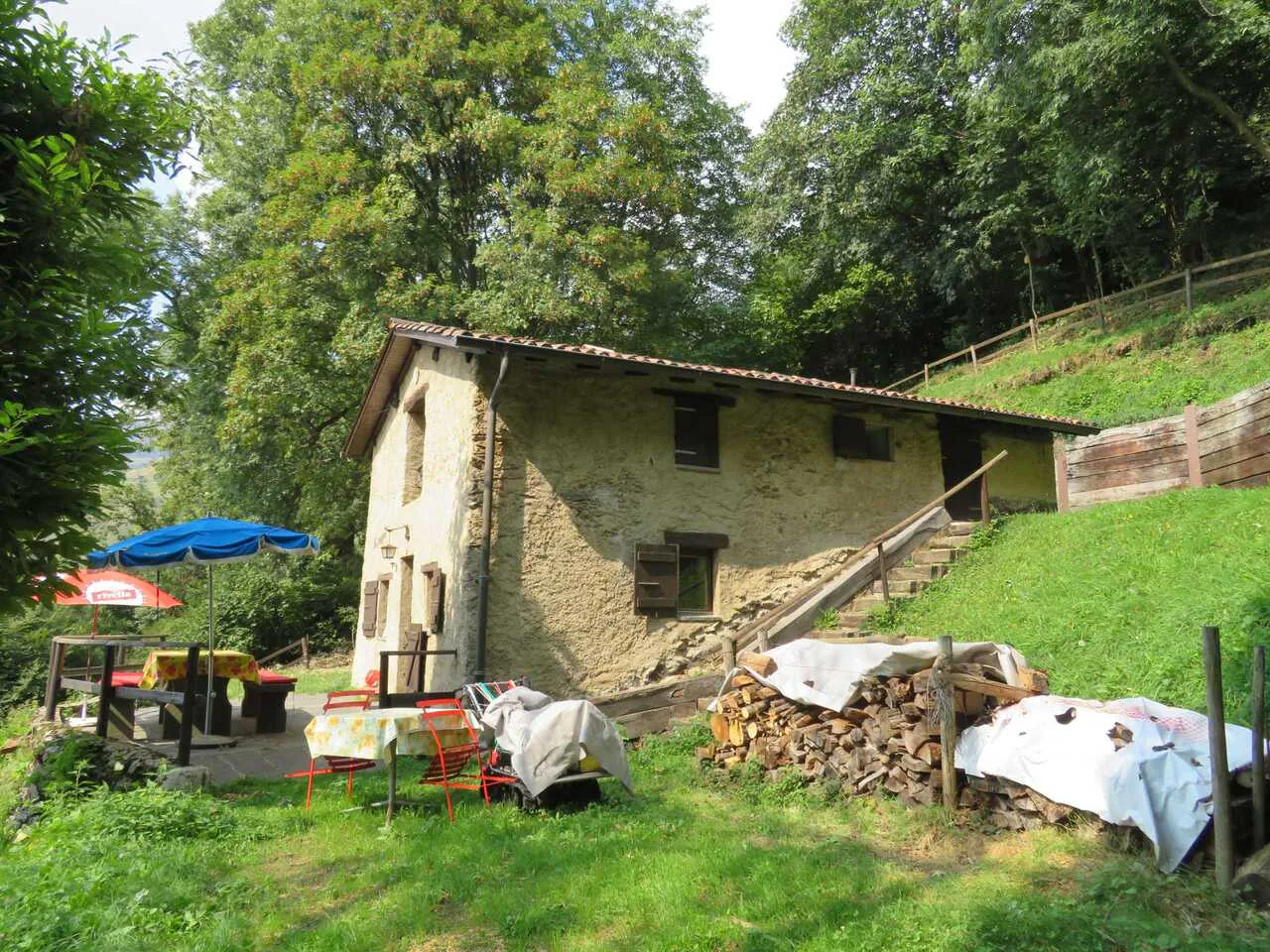
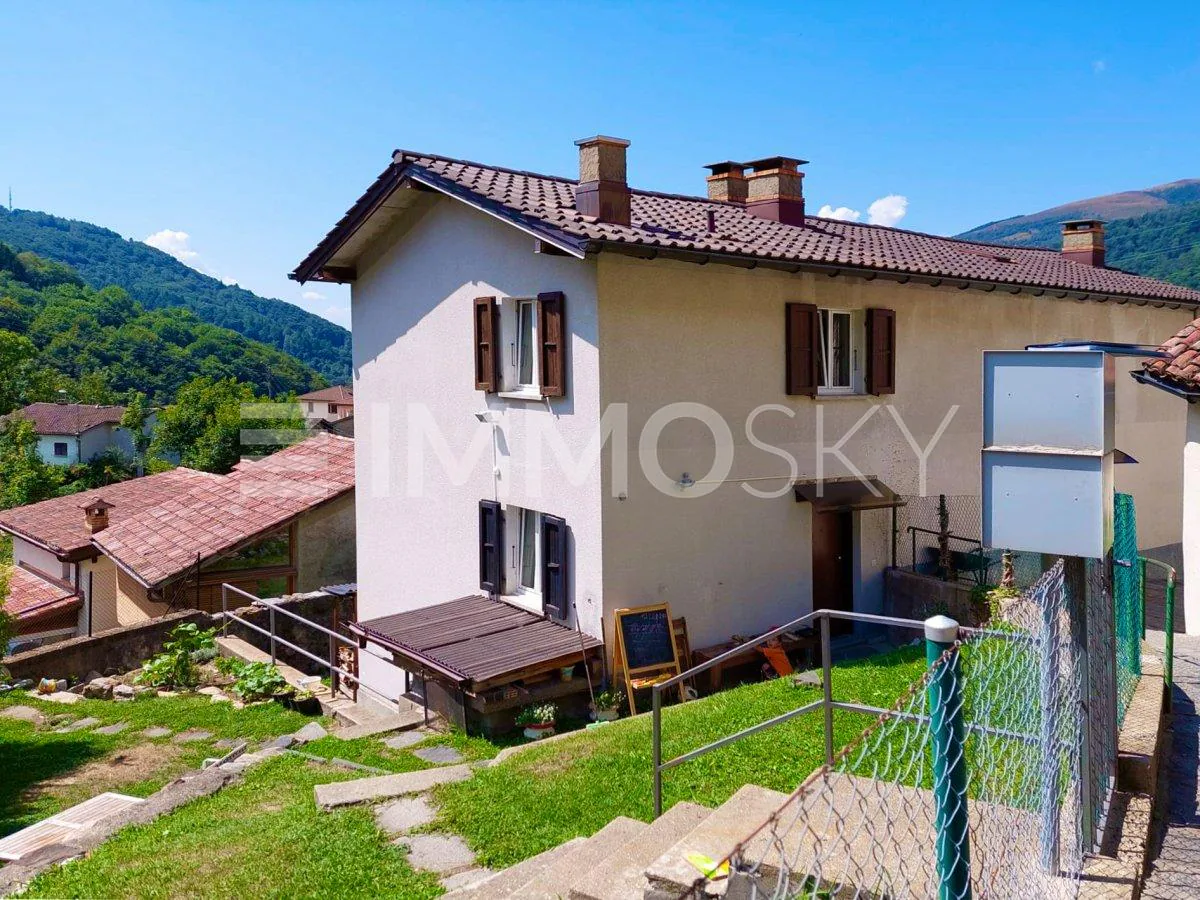
Property market in Bogno
The following figures are for the whole municipality Bogno belongs to. The vacancy rate is 1.94%, 9% above the cantonal average (1.78 %). The municipal tax multiplier (Steuerfuss) is 77% (2026), 7% below the average of the canton's municipalities (82.9 %) — low for the canton. A single person without children on a gross wage of CHF 100'000 pays CHF 11'672 a year in canton, municipality and personal tax in the municipality of Lugano (tax year 2026, without church, federal and wealth tax). On the mean of the municipalities weighted by residents it is CHF 12'063 in the canton and CHF 12'251 in Switzerland. Median taxable income of all taxpayers is CHF 39'400 (tax period 2022). The municipality has 63'691 residents (2025).
Sources: Swiss Federal Statistical Office (FSO), Swiss Federal Tax Administration (FTA).
Frequently asked questions
What are asking prices in Bogno?
Flats and houses in the municipality of Lugano are offered for sale at a median of CHF 8'741 per m² of living space, the middle half between CHF 6'800 and CHF 11'379 (1'797 listings, as of 1 Nov 2026). These are asking prices from listings on Swiss portals, not prices paid and not a valuation.
Which canton is Bogno in?
Bogno is located in the canton of Ticino.
What is the municipal tax multiplier (Steuerfuss) in Bogno?
The municipal tax multiplier (Steuerfuss) in Bogno is 77% of the cantonal base tax (tax year 2026). Note: this is a multiplier of the cantonal income tax, not an effective tax rate, and it can only be compared within the same canton.
How much income tax is paid in Bogno?
A single person without children on a gross wage of CHF 100'000 pays CHF 11'672 a year in canton, municipality and personal tax in the municipality of Lugano (tax year 2026, without church, federal and wealth tax). The amount holds for exactly this household and income and, unlike the tax multiplier, compares across cantons.